
Tray layout planner
Enter the outside dimensions of your tray and compare the tooling arrangements illustrated for each machine.
Check a tray layoutStart with the pack you need to make. Use the guides below to compare tray processes, choose a loading method and prepare the numbers for a machine quotation.
Follow a tray from loading through air removal, gas filling and sealing. Then use a worked example to turn cycles per minute into finished packs per minute.
Read the tray packaging guide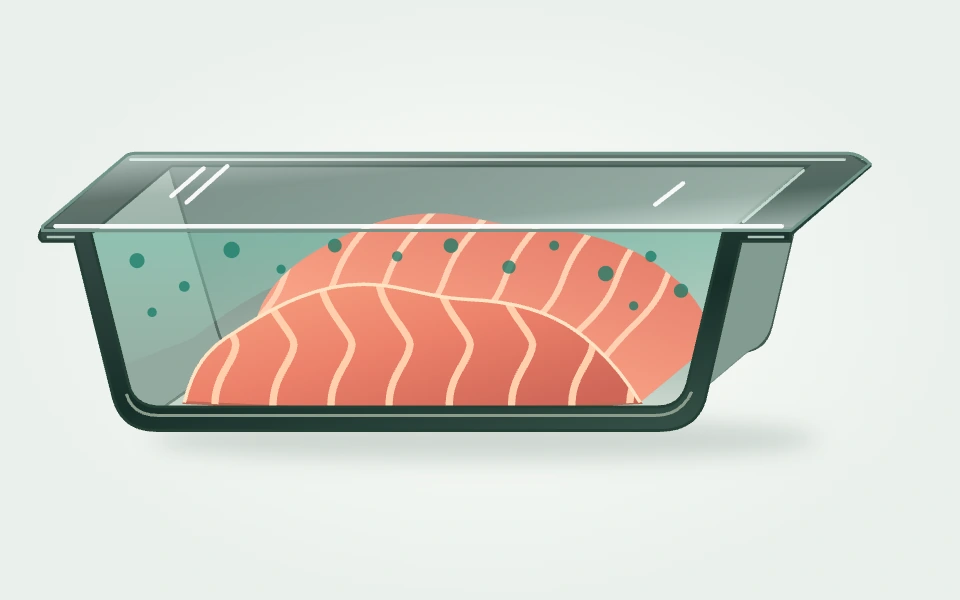
Enter the outside dimensions of your tray and compare the tooling arrangements illustrated for each machine.
Check a tray layoutSelect a food and pack format to see published gas mixture references and the conditions to review with your supplier.
Find a gas referenceFor a flat lid over a selected gas blend, specify filled height and the clearance below the film. Compare the hand-loaded M-450, the continuous-feed DZML-450 and the automatic high-speed T680.
Compare machine modelsFor a vacuum skin pack, consider the highest point of the cut, any sharp edges, and the tray or board supporting it. All three models support skin packs in the appropriate configuration. The T680 uses a modified machine with four-cavity tooling.
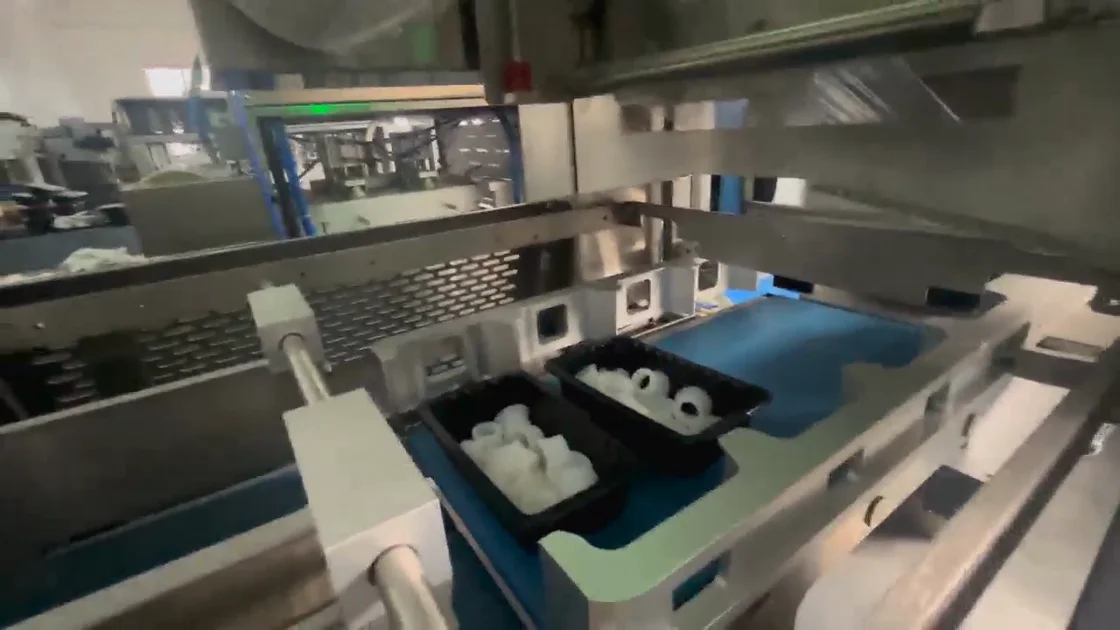
Explore the chilled meat exampleFor a seal-only pack, check rim cleanliness and clearance under the lid. The strawberry demonstration shows open trays entering the DZML-450 and leaving with printed film.
Watch the strawberry tray demonstrationStarting with rolls of forming film? A thermoforming line makes the pocket from the lower web. Include web width and forming depth when you ask about thermoforming equipment.